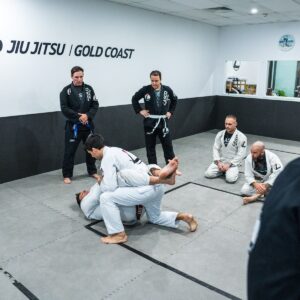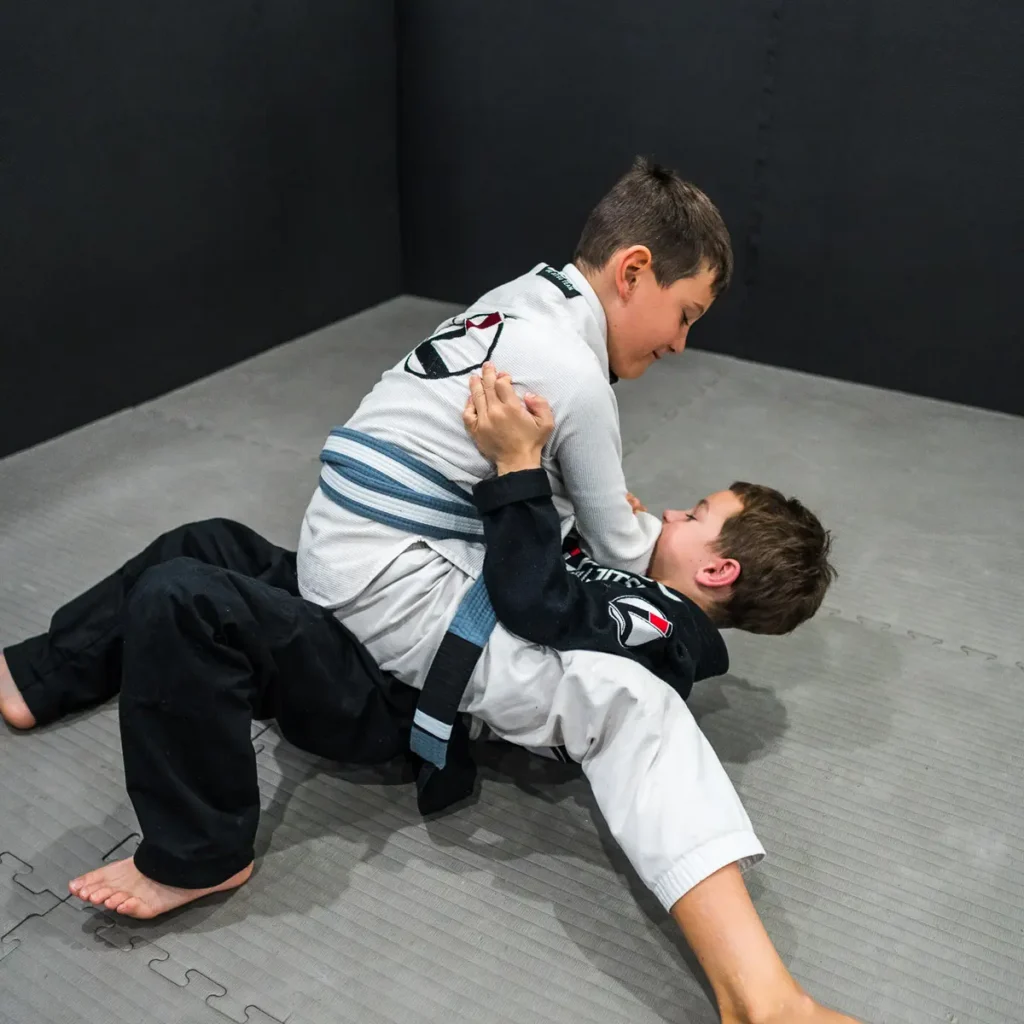
BJJ can be a practical choice for teenagers who need an active routine, a clear learning structure and a supportive community. At Lasco Jiu Jitsu in Varsity Lakes, the teen programme is designed for ages 11–13, with age-specific training that helps students learn Brazilian Jiu Jitsu at an appropriate pace. Families from Robina, Burleigh Heads, Reedy Creek and across the Gold Coast can use this guide to understand what teen BJJ involves and what to look for before a first class.
Teenagers do not need previous martial arts experience or a high level of fitness to begin. The most useful starting point is a class where coaching, partner selection and expectations are clear from the moment they step onto the mat.
What is BJJ for teens?
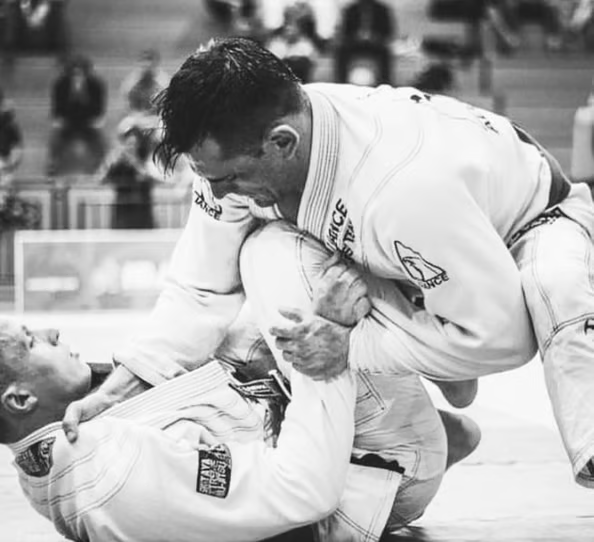
Brazilian Jiu Jitsu, usually called BJJ, is a grappling-based martial art. Students learn how to move, control positions, escape safely and apply techniques with a training partner. Unlike a general gym session, each class has a technical learning goal and gives students a chance to practise movements in a structured setting.
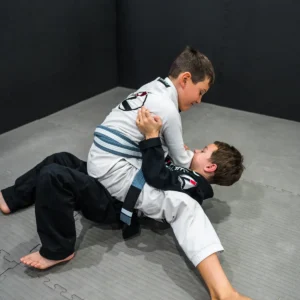
For teens, the training should be appropriate for their age and experience. Lasco Jiu Jitsu separates its youth programmes into Kids (ages 5–7), Juniors (ages 8–10) and Teens (ages 11–13). This makes it easier for coaches to choose relevant explanations, drills and partners rather than placing every child in the same group.
You can review the academy’s BJJ programmes in Varsity Lakes and check the current class timetable before planning a visit.
Why parents consider BJJ during the teenage years
The early teenage years bring changes in school, friendships, routines and confidence. No single activity solves every challenge, but a well-run BJJ class can provide a regular place to learn, move and make gradual progress.
A clear learning process
BJJ gives students specific problems to work through. A coach demonstrates a position, students practise it with a partner, and the class builds from simple details to more active situations. Progress comes from paying attention, asking questions and returning consistently—not from pretending to understand everything immediately.
Physical activity with a purpose
Teen BJJ includes movement, balance, coordination and controlled resistance. Because the activity is connected to a technique or position, students are not simply completing exercises for the sake of a workout. They are using physical effort to solve a practical problem on the mat.
Respect for partners and boundaries
Students depend on one another to train safely. They need to listen, use appropriate control, respect a tap and adjust to different partners. These habits are part of everyday training and help create an environment where beginners can learn without feeling they must prove themselves.
Belonging to a local community
A regular class can become a positive point in the week. Families searching for teen BJJ near Robina, Burleigh Heads or Reedy Creek may find Varsity Lakes a convenient local option. The academy’s family-focused approach also means parents can explore programmes for different ages in one place. Our guide to family BJJ on the Gold Coast explains how age-specific classes can work within the same academy.
What happens in a typical teen BJJ class?
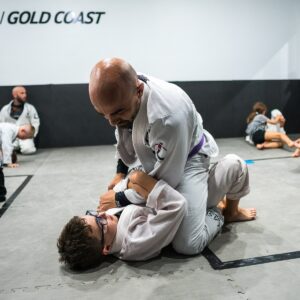
The exact format can vary, but a structured class commonly begins with movement preparation, followed by a technical demonstration and partner practice. Students may then work through a controlled drill or positional exercise that allows them to apply the lesson with increasing resistance.
Good coaching matters at every stage. A beginner should know what the objective is, which movements are allowed and when to stop. Partner matching should also consider experience, size and the purpose of the exercise. Parents can ask how classes are supervised and how new students are introduced to live practice.
BJJ uses close physical contact, so hygiene and communication are important. Clean training clothing, trimmed nails and honest communication about injuries help protect everyone on the mat. Teenagers should also understand that tapping is a normal safety skill, not a sign of failure.
Gi or No-Gi: what should a teenager start with?
In Gi classes, students wear the traditional BJJ uniform and can use permitted grips on the fabric. No-Gi classes use athletic clothing and generally rely more on grips around the body. Both formats teach useful movement, positioning and control.
The best starting option is usually the class that matches the student’s age, experience and available schedule. Parents do not need to decide the entire training pathway before the first visit. Check the Lasco BJJ schedule and ask the team which session is most suitable for a complete beginner.
How to help a teen prepare for the first class
- Choose a suitable session. Confirm the current teen class and arrival time with the academy.
- Wear practical clothing. Ask what to wear for the selected class and avoid clothing with zips, jewellery or hard parts.
- Arrive with time to settle in. A few extra minutes allow the student to meet the coach and understand where to change and wait.
- Share relevant information. Tell the coach about injuries, medical considerations or concerns that may affect participation.
- Keep the first goal simple. The aim is to experience the class, follow instructions and decide whether the environment feels right.
Parents can support the process by asking specific questions after class: Was the explanation clear? Did you feel comfortable with your partner? What was one technique you remember? This keeps the conversation focused on learning rather than immediate performance.
How to choose a BJJ academy for a teenager
Start with the training environment. Classes should look organised, students should know what they are practising, and coaches should be attentive when partners work together. Look for a culture where experienced students help beginners without treating them as obstacles.
Age grouping is also important. Teenagers learn differently from very young children and should not automatically be placed into an adult session before they are ready. Ask how the programme is divided, how partners are selected and how live training is introduced.
Location and timetable matter because consistency is easier when training fits family life. Lasco Jiu Jitsu is based in Varsity Lakes and serves nearby Gold Coast communities including Robina, Burleigh Heads and Reedy Creek. Browse the Lasco BJJ blog for more beginner and family guidance, including a practical parent’s guide to BJJ for girls.
Frequently asked questions about BJJ for teens
What age is the teen programme at Lasco Jiu Jitsu?
The website lists the Teens programme for ages 11–13. Because programmes and timetables can change, confirm the most suitable class with the academy before attending.
Does my teenager need previous martial arts experience?
No. A complete beginner can start by learning the basic movements, positions and safety rules. The coach can explain which class best matches the student’s age and experience.
Does a teenager need to be fit before starting BJJ?
No specific fitness level is required to begin. Students can build familiarity with the movements and class pace gradually. Parents should share any relevant health or injury information with the coach.
Is BJJ only for teenagers who want to compete?
No. Some students may become interested in competition, while others train for learning, fitness, confidence or community. A teenager can begin without deciding whether competition is part of their goal.
How can I find the right first class?
Review the current timetable and contact the academy with the student’s age and experience. The team can recommend an appropriate session and explain what to bring.
Ask about teen BJJ in Varsity Lakes
If you are looking for BJJ for teens on the Gold Coast, speak with Lasco Jiu Jitsu about the current programme for ages 11–13. The academy is located in Varsity Lakes and welcomes families from Robina, Burleigh Heads, Reedy Creek and surrounding areas.